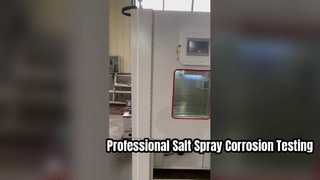
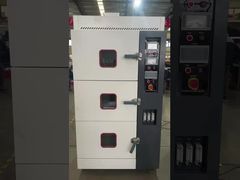
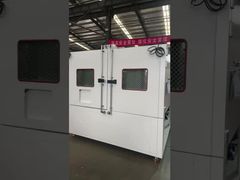
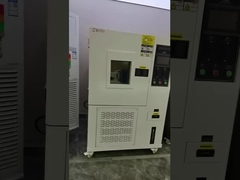
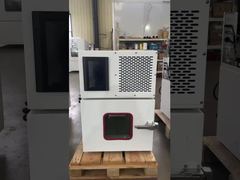
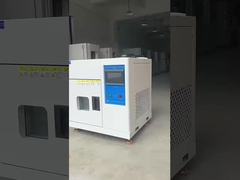
Brief: In this video, gain concise insights into the features that matter most for real-world use of the Salt Spray Test Chamber. You will see a detailed walkthrough of how this high-precision equipment simulates natural corrosion environments, learn about its adjustable temperature and spray controls, and discover its applications across automotive, aerospace, and electronics industries for evaluating material and coating durability.
Related Product Features:
High-precision salt spray testing equipment designed to evaluate mechanical properties of materials and coatings.
Digital controller for accurate and quick adjustment of temperature and spray volume.
Adjustable test temperature range from 35℃ to 55℃ for versatile testing conditions.
Customizable chamber size to fit various testing requirements and sample dimensions.
Spray volume adjustable from 1-2ml/80cm²/h with spray distance from 30cm to 50cm.
Complies with ASTM B117 test method and ISO 9227 standard for reliable results.
Test humidity maintained at 95%RH with test durations from 48 hours to 1000 hours.
Suitable for testing various materials including aluminum, zinc, steel, and plastic.
Faqs:
What is the primary function of the Salt Spray Test Chamber?
The Salt Spray Test Chamber is a high-precision corrosion testing equipment designed to evaluate the mechanical properties and corrosion resistance of various materials and coatings by simulating natural salt spray environments.
What temperature range does this chamber operate within?
The Salt Spray Test Chamber offers an adjustable test temperature range from 35℃ to 55℃, allowing for precise control during corrosion testing procedures.
Which industries commonly use this corrosion testing equipment?
This chamber is widely used across multiple industries including automotive, electronics, and aerospace for testing the corrosion resistance of metals, coatings, and various materials.
What standards does the Salt Spray Test Chamber comply with?
The equipment complies with international testing standards including ASTM B117 test method and ISO 9227, ensuring the accuracy and reliability of test results.